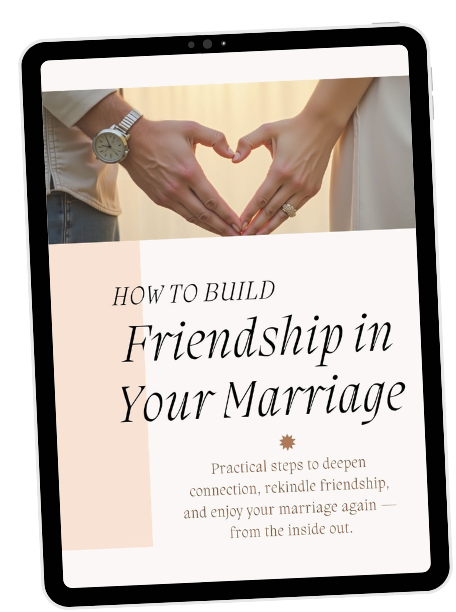
Conflict is inevitable in every relationship. Whether it’s a friendship, courtship, marriage, or family relationship, disagreements will arise. The goal isn’t to avoid conflict altogether but to learn how to resolve it in a way that strengthens, rather than damages, the relationship.Healthy conflict resolution is a skill, and mastering it can transform the way you communicate with the people you love. Here are six practical principles to guide you.
1. Choose the Right Environment
Avoid discussing sensitive issues in public or in the presence of people who may influence the conversation. Instead, choose a private, calm environment where both of you feel safe to express yourselves honestly and listen without distractions.A healthy environment creates room for honest conversations and meaningful resolutions.

2. Watch Your Tone
Your tone often speaks louder than your words.The way you begin a conversation usually determines how it will end. Starting with anger, bitterness, shouting, or sarcasm immediately puts the other person on the defensive.
Instead, approach the conversation gently and respectfully. A calm tone invites understanding, while a harsh tone often invites resistance
It’s not just what you say, it is also how you say it.
3 Lead with Love Before Correction
One of the most powerful ways to resolve conflict is to begin with affirmation before confrontation.Before addressing the issue, remind your partner or loved one that they are valued. Express appreciation, acknowledge their positive qualities, and reaffirm your love.When people know they are loved, they are far more willing to listen without feeling attacked.Correction is received better when it is wrapped in genuine love.
Correction is received better when it is wrapped in genuine love.
4. Don’t Let Your Emotions Lead the Conversation
If your emotions are running high, you are less likely to communicate clearly and more likely to say things you’ll later regret.It’s perfectly okay to pause the conversation if you feel overwhelmed. Take time to calm down, pray, reflect, or simply breathe before returning to discuss the issue.
The objective is resolution; not winning an argument.
5. Express Your Feelings Without Attacking
Healthy communication focuses on explaining your feelings rather than accusing the other person.
Instead of saying:”You never care about me.”
Try saying:”I felt hurt when that happened because it made me feel unimportant.”
This “complain and explain” approach communicates your emotions without making the other person feel condemned. It opens the door for empathy
Attack the problem, not the person.
The objective is resolution, not winning an argument.
6. Resolve Issues Promptly
Unresolved conflict rarely disappears on its own.When issues are ignored, they often grow into resentment, bitterness, and emotional distance. Address problems as soon as both of you are emotionally ready.
As the biblical principle reminds us, don’t let the sun go down on your anger. Timely conversations prevent small misunderstandings from becoming major relationship crises
Healthy relationships are not defined by the absence of conflict but by the presence of healthy communication.
Every disagreement presents an opportunity to choose love, practise empathy, and build a healthier relationship.