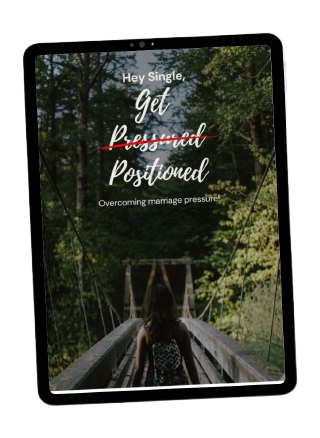
There is a unique kind of pressure that comes with waiting for something you deeply desire, especially when it seems as though everyone around you is receiving the very thing you have been praying for.
You attend weddings, celebrate engagements, listen to testimonies, and genuinely rejoice with others. Yet, somewhere in the quiet moments, questions begin to surface.
When will it be my turn? Am I doing something wrong? Is there something I should be doing differently?
The desire for marriage is not the problem. Marriage is a beautiful desire, and there is nothing wrong with praying, preparing, and hoping for it.
The problem begins when the waiting season becomes a breeding ground for beliefs that distort your identity, influence your decisions, and prevent you from living fully in the present.
What if certain beliefs are keeping you from enjoying the life God has given you today?
Let’s examine seven lies that waiting singles often believe and the truths that can set them free.
1 My Relationship Status Determines My Worth
One of the most dangerous lies a single person can believe is that being unmarried makes them incomplete, less desirable, or somehow behind in life.This belief may not always be expressed in words. Sometimes, it appears in the discomfort you feel when someone asks about your relationship status.
Other times, it shows up in the way you measure yourself against married friends or question your value when another year passes without a proposal.
Gradually, marriage becomes more than something you desire. It becomes the evidence you think you need to prove that you are lovable, desirable, and worthy of being chosen.
Ephesians 2:10 reminds us that we are God’s workmanship, created in Christ Jesus for good works.
Notice that your identity precedes your accomplishments and circumstances. You are God’s workmanship before you become someone’s spouse.

2 If I Truly Trust God, I Should Just Wait and Do Nothing
There is a difference between trusting God and refusing to participate actively in your own life.
Some singles believe that taking intentional steps to meet people, develop friendships, attend social gatherings, or become more visible in healthy communities somehow demonstrates a lack of faith.
Faith is not passivity
Throughout Scripture, we see people who trusted God while also taking appropriate action. Nehemiah prayed, but he also planned and worked. Ruth continued with the responsibilities of her life rather than withdrawing from it.
Taking reasonable steps to build friendships, participate in community, and meet people with shared values does not mean you are trying to force God’s hand.
This does not mean you must turn every gathering into a search for a spouse or accept every invitation in the hope of meeting your future partner. It simply means refusing to let fear, complacency, or an overly narrow routine prevent you from engaging with life.
3 If I Am Anxious About Someone, It Must Be Discernment
For Christians who desire to make wise relationship decisions, discernment is important.You want to recognize character, understand intentions, and avoid relationships that could lead you away from your values. These are reasonable concerns.
However, anxiety can sometimes disguise itself as discernment. You may find yourself repeatedly analysing a person’s messages, interpreting every change in tone, questioning the meaning of minor interactions, or searching for hidden messages in otherwise ordinary behaviour.
You may replay conversations in your mind, wondering whether a delayed response means rejection or whether a particular statement reveals something terrible about the person’s character.
Discernment seeks wisdom and responds to evidence. Anxiety often demands certainty where certainty is not yet possible.
Healthy relationship assessment involves observing patterns of behaviour, asking honest questions, communicating openly, and allowing time to reveal a person’s character.